What if the forest is more than scenery—what if the forest music itself is a free, invisible pharmacy? That’s the idea behind a growing body of research and a concept popularized by forest bathing (Shinrin-yoku): the forest broadcasts subtle cues—sounds, scents, vibrations—that help our bodies rest, reset, and in some cases, genuinely heal. In this article we’ll unpack seven distinct signals the woods send, explain some of the science behind them, and give practical ways you can use forest music even if you’re stuck in a city apartment.
Below you’ll find a richer, research-aware exploration, step-by-step practices, and a FAQ to help you bring the benefits of forest music into daily life.
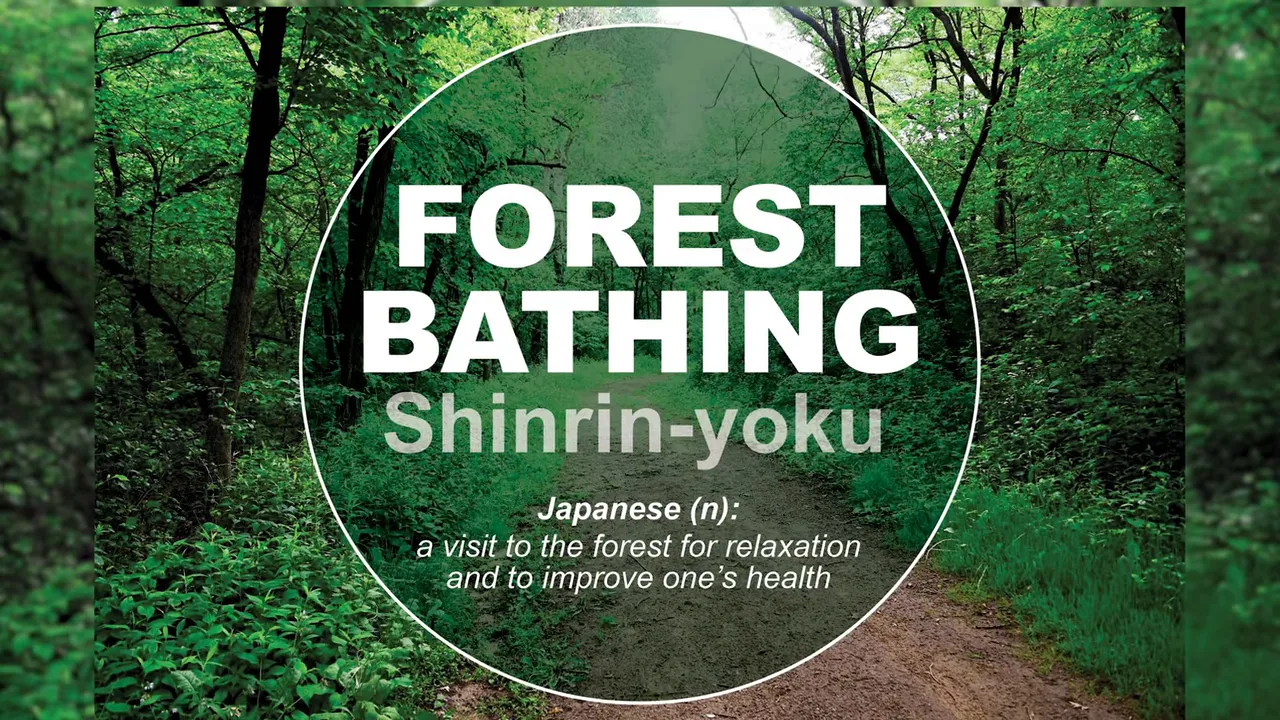
Table of Contents
- Why “forest music” matters: more than ambience
- Outline
- The seven healing signals the forest sends
- How to listen: a one-week forest music experiment
- Practical tips for urban dwellers
- Safety and practical cautions
- FAQ — Forest music and your health
- Putting it all together: a sustainable listening practice
- Further resources and a friendly nudge
- Conclusion
- FAQ — Quick reference
Why “forest music” matters: more than ambience
When we say “forest music” we mean more than birdsong or running water; we mean an orchestra of cues—audible and invisible—that influence the nervous system, immune function, mood, and attention. Japanese researchers studying Shinrin-yoku (forest bathing) have reported measurable physiological effects, such as increased activity of natural killer (NK) cells—an important part of immune defense—and reductions in stress hormones like cortisol. Those are not just fleeting mood improvements; some studies show measurable effects that last for days after a forest visit.
Forest music is both literal and metaphorical: it’s a literal soundscape of birds, insects, wind, and water, and metaphorically it’s the forest’s chemical and electromagnetic language—scent molecules, low-frequency vibrations, and the hum of the planet itself. The good news: you don’t need to live next to a national park to tune in. With intention and small practices, the essential parts of forest music can be integrated into daily life.
Outline
- Introduction to forest music and Shinrin-yoku
- Seven healing signals explained
- Practical ways to use each signal—urban options included
- Listening practice: a one-week experiment
- FAQ about forest music and health
- Conclusion and gentle invitation
The seven healing signals the forest sends
Below are the seven signals highlighted in the original video, expanded with practical context and suggestions so you can actually make use of them.
1. Birdsong — nature’s calming melody
Why it matters: Birdsong typically falls in the 2–8 kHz range—the sweet spot where human hearing is most sensitive. That melodic band engages attention in a soft, non-threatening way. Scientific studies indicate that listening to birdsong can lower cortisol, improve mood, and help recover attention after mental fatigue.
How to use it: If you have nearby green space, try 10–20 minutes of intentional listening in the morning. In cities, curated recordings or high-quality field recordings can be surprisingly effective. Set a short, silent listening session—close your eyes, breathe, and let the calls pass without trying to identify every species. The point is the calming rhythm and unpredictability, which helps shift the brain out of hypervigilant mode.

2. Wind through leaves — rhythm of the trees
Why it matters: The rustle of leaves creates gentle, irregular patterns that promote relaxation. Unlike mechanical noises with rigid repetition, wind-driven soundscapes are fractal—irregular yet patterned, which many people find grounding. The sound of wind can act as an audio anchor for meditative states, reducing sympathetic nervous system arousal (fight-or-flight) and encouraging parasympathetic recovery (rest-and-digest).
How to use it: You can mimic this at home by placing a tall houseplant near a window or using a small fan to create subtle airflow through leaves. If you live in a high-rise, choose resilient plants with larger leaves (e.g., ficus, rubber plant) that produce a fuller rustle. On windy days, take advantage of brief outdoor pauses: stand quietly, feel the air on your skin, and notice the timing of the leaf-rustle as a metronome for slow breathing.
3. Flowing water — the original white noise
Why it matters: Water sounds—streams, creeks, and brooks—are universally associated with calm. The rhythmic, continuous patterns help regulate emotional processing and reduce stress. Lab studies consistently find decreased anxiety and improved cognitive restoration during exposure to water sounds.
How to use it: Carry a short audio clip of a brook or river on your phone for micro-breaks during work. A five-minute water listening break can restore attention and defuse tension. If you have a small fountain or water feature at home, even the subtle gurgle can have measurable calming effects. Remember: quality matters—natural field recordings often feel more restorative than synthetic loops.
4. Phytoncides (forest scents) — the invisible immune boost
Why it matters: Trees release organic compounds called phytoncides (also spelled phytoncides) and essential oils—common examples include alpha-pinene and d-limonene. These volatile organic compounds serve plants in defense but also interact with human physiology. Research from Japan and other countries links inhaling phytoncides during forest walks to increased NK cell activity and reduced stress markers.
How to use it: The simplest method is to spend time among conifers (pine, cedar, spruce) when possible—five to twenty minutes of mindful breathing near evergreen trunks can deliver a detectable dose. Indoors, potted conifers or a few cut pine branches can release some of these compounds. Essential oils may provide a crude approximation—pine or spruce oils can be used in diffusers, but remember that concentrated oils are potent, and sensitivity varies. If you have allergies or respiratory conditions, consult a clinician before heavy exposure.
5. Natural low hums — insects, frogs, and subtle vibrations
Why it matters: The forest hum—the distant buzz of insects, chorus of frogs, or the low timbre of cicadas—creates a steady acoustic bed that many people find stabilizing. Low, continuous sounds can modulate the nervous system by providing a predictable auditory texture that reduces the perceived intensity of sudden noises.
How to use it: Night soundscapes or recordings of insect choruses can help with sleep and relaxation. If you have access to a park at dusk, pause and listen to the rising chorus—this collective soundscape is calming for many. For city dwellers, long-form recordings of nighttime nature sounds are easy to stream and can be used as a background while resting or working.
6. The Schumann resonance — Earth’s ultra-low hum
Why it matters: The Schumann resonance is an electromagnetic phenomenon generated by lightning strikes in the cavity between the Earth’s surface and the ionosphere. The fundamental mode is approximately 7.83 Hz—an ultra-low frequency that some researchers theorize may be synchronizing with biological rhythms. While the evidence linking direct health effects to Schumann resonance remains preliminary and contested, there’s broad consensus that stepping away from high-density digital noise and spending quiet time in natural settings restores cognitive balance.
How to use it: You can’t easily “play” the Schumann resonance into a room in a way that replicates the whole-planet phenomenon, but you can replicate the principle by reducing artificial electromagnetic noise and practicing quiet, low-stimulation time outdoors. Turn off screens for 20–60 minutes, sit under a tree, and notice bodily rhythms—breathing, heartbeat, and the way your attention slows. The practice of silence, especially away from constant digital interruption, taps into the same restorative mechanisms the Schumann idea points to.
7. Soil connection — mycorrhizal networks and grounding
Why it matters: The soil beneath our feet is alive: fungal mycelium forms extensive networks called mycorrhizae that exchange nutrients, water, and even electrical signals with plants. These networks don’t “speak” to us in English, but they remind us that the ground is an active ecological interface. Practically, the act of direct skin contact with earth—grounding or earthing—has been studied for potential anti-inflammatory effects and improved calm, possibly via electrical charge equilibration with the Earth.
How to use it: Walk barefoot on grass, sand, or soil for 10–30 minutes when possible. If you’re in a city, patchy urban green spaces or community gardens can serve. Even standing barefoot indoors on a balcony with a plant pot beneath your feet can be a modest practice. The research is early and mixed, but many people report tangible benefits: reduced stress, improved sleep, and a subtle sense of reconnection.
Restore 1m2 of ecosystem with 2 clicks for FREE |
Subscribe to our YouTube through the link below and we’ll restore 1m2 of ecosystem where it’s needed the most for free. Simply click below and click subscribe when prompted after. The earth thanks you 💚🌍 |
| RESTORE 1m2 NOW |
How to listen: a one-week forest music experiment
Want to try the benefits yourself? Here’s a simple one-week experiment that uses the principles of forest music to boost calm, focus, and immune-supportive behaviors. Choose one signal each day or focus on a different signal for the whole week—both approaches work. Commit to small, measurable practices and take notes on how you feel.
- Day 1 — Birdsong: 10 minutes of morning listening. No screen, no identifying species—just breathe and observe how the calls land in your chest.
- Day 2 — Wind through leaves: Sit near a plant or window and time your inhalations with the leaf-rustle. Practice breathing slowly for 10 minutes.
- Day 3 — Flowing water: Use a 7–10 minute river or brook recording during a break. Notice cognitive clarity after the break.
- Day 4 — Phytoncides: Visit a conifer stand or bring pine branches indoors. Spend 10–15 minutes breathing slowly among them.
- Day 5 — Natural low hums: At dusk, listen to insect or frog choruses (or a long-form recording) for 15 minutes while lying quietly.
- Day 6 — Silence/Schumann-inspired: Turn off digital devices for 30 minutes. Sit outdoors if possible and tune into bodily rhythms.
- Day 7 — Soil connection: Walk barefoot for 15–30 minutes on grass or sand. Note changes to mood and sleep that night.
Keep a short journal: time spent, how you felt before, during, and after. Over a week you’ll likely notice small shifts—less reactivity, improved sleep, or a clearer headspace. That feedback loop helps reinforce the practice.
Practical tips for urban dwellers
Not everyone can trek into an old-growth forest. Here are practical shortcuts to bring forest music into city life without driving miles:
- Curate a playlist of high-quality field recordings: birdsong, wind, streams, insect choruses. Use them for micro-breaks.
- Keep a tall houseplant (or a small balcony tree) that rustles with airflow.
- Add a tabletop fountain or a small water feature to living or work spaces.
- Use potted conifers or pine branches during certain weeks to access phytoncides—remember to ventilate and test for sensitivity.
- Prioritize regular barefoot time in parks, community gardens, or beaches when you can.
- Create “no-screen” windows in your schedule—20–45 minute pockets to unplug and listen.
Safety and practical cautions
Forest music practices are low-risk, but a few cautions are worth noting:
- If you have severe respiratory problems or tree allergies, consult a healthcare provider before prolonged exposure to phytoncides or essential oils.
- Essential oils are concentrated: always dilute and spot-test for skin sensitivity.
- If walking barefoot, be mindful of urban hazards—broken glass, nails, or contaminated soil; choose safe spaces.
- For sleep or relaxation, avoid over-reliance on recordings if they disrupt your schedule; use them as a tool within a balanced routine.
FAQ — Forest music and your health
Q: Is forest music medically proven to heal disease?
A: Forest music is not a panacea and should not replace medical care. However, research on forest bathing shows robust improvements in stress markers, mood, and immune function—such as increased NK cell activity—after exposure. These physiological shifts can support overall resilience and recovery as part of a holistic lifestyle.
Q: Can recordings of forest music provide the same benefits as being in nature?
A: Recordings capture many of the calming elements (birdsong, water, wind) and can be effective for stress reduction and attention restoration. Chemical exposure (phytoncides) and grounding benefits from direct soil contact require being outdoors. Still, high-quality recordings and simulated practices offer substantial benefits for urban users.
Q: How long before I notice benefits?
A: Many people report immediate mood improvements after a single 10–20 minute listening or outdoor session. Physiological changes like NK cell activity have been measured after single forest visits and may last days. Consistent, repeated exposure compounds benefits over weeks and months.
Q: What is grounding and is it safe?
A: Grounding (earthing) is the practice of skin contact with natural surfaces. Initial studies suggest possible anti-inflammatory and sleep benefits, but the evidence is mixed and nascent. Grounding is generally safe if you choose clean, hazard-free surfaces. If you have open wounds or infections, follow medical advice.
Q: How can I get phytoncides indoors?
A: Potted conifers or freshly cut pine branches release some phytoncides indoors. Essential oil diffusers using low concentrations of pine or spruce oil are another option—use sparingly and test for sensitivity. Outdoor exposure remains the most robust source of phytoncides.
Q: What about the Schumann resonance—should I buy a device to replicate it?
A: Low-cost “Schumann generators” exist, but the scientific support for direct therapeutic benefits is limited. The underlying principle—spending more quiet time outdoors and less time in high-intensity digital environments—is a straightforward, evidence-backed strategy that mimics the intended effect.
Putting it all together: a sustainable listening practice
Forest music invites a practice more than a one-off remedy. Make it sustainable by building short daily rituals: a 5–10 minute birdsong check in the morning, a midday water-sound break, and an evening barefoot grounding session when possible. Keep it simple and repeatable—accessibility encourages consistency, and consistency generates measurable shifts.
One helpful hack: create three “sound pockets” in your calendar—blocks where you intentionally step away and listen. Label them Birdsong (morning), Water (midday), and Wind (evening). Over a month you’ll notice patterns emerge—sleep improves, work breaks feel more effective, and stress reactivity softens.
Further resources and a friendly nudge
If you want to go deeper: watch documentaries like Fantastic Fungi to understand mycorrhizal networks, explore books and research on Shinrin-yoku, and seek out local forest-bathing guides for group experiences. And if you enjoyed the ideas here, check out Aliens Love Earth’s original video “7 Healing Signals The Forest Sends (and how to use them)” for the concise version that inspired this post.
Conclusion
Forest music is an invitation: a mix of birdsong, wind, water, chemical bouquets, deep hums, and living soil that together create restorative conditions for body and mind. The evidence—especially from studies of Shinrin-yoku—shows real physiological benefits, including stress reduction and immune support. Whether you live beside an ancient woodland or in the middle of a bustling city, you can tap into the essence of forest music: listen intentionally, breathe more slowly, stand barefoot when you can, and let the subtle cues of nature re-tune your nervous system.
If you try the one-week experiment above, keep a short journal and notice the small shifts. Share what you discover—what part of the forest music resonated most with you? Birdsong, water, the wind, the scent of pine, or something quieter beneath the soil? Your observations build a community of listening, and that collective attention is part of the healing too.
Thanks to Aliens Love Earth for the inspiration—hit their channel if you’d like the original short video. And if you found this post useful, consider supporting local greenspaces: even small actions—gardening, planting a tree, or protecting soil—multiply the forest music that heals us all.
FAQ — Quick reference
- Can recordings replace nature? Partially. Recordings help with sound-based benefits; chemical and grounding effects require outdoor exposure.
- How often should I practice? Even 10 minutes a day adds up. Aim for consistent micro-practices rather than occasional long retreats.
- Are essential oils safe? Use diluted, test for sensitivity, and consult a clinician if you have asthma or severe allergies.
- Is bare soil safe? Choose clean, hazard-free areas. Avoid unknown or polluted soils.
Stay curious, keep listening, and let the forest music do its quiet work.