Music is a universal language that connects us all, stirring emotions, inspiring change, and bringing joy. Yet, behind the scenes, the music industry carries an environmental footprint that often goes unnoticed. From touring emissions to the energy consumption of streaming platforms, music production and distribution contribute in their own ways to the climate crisis. But what if musicians could harness sustainability & tech to lighten their carbon footprint while still sharing their art with the world?
Welcome to a deep dive into the sustainable innovations transforming the music industry in 2025. Inspired by insights from the Aliens Love Earth podcast, this article explores actionable steps, emerging tech, and creative ideas empowering musicians to go green — without compromising their creative spirit.
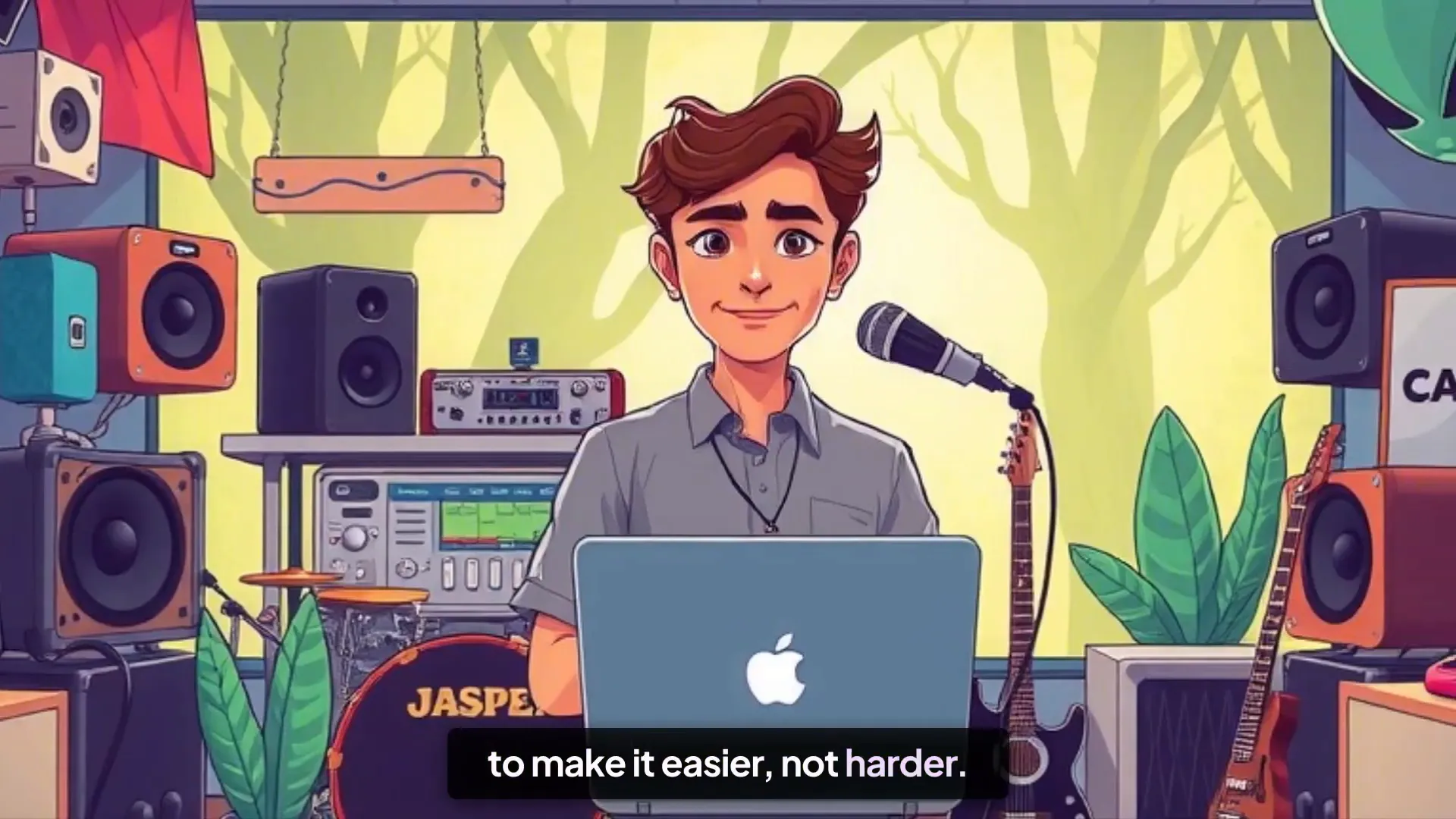
Table of Contents
- Understanding the Environmental Footprint of Music
- Rethinking Gigs: How to Make Every Show the Greenest Version Possible
- Streaming and Distribution: Choosing Eco-Conscious Platforms
- Measuring and Sharing Your Carbon Footprint
- The Future of Music and Technology: A Green Revolution
- Key Takeaways: Moving Forward Together
- FAQ: Sustainability & Tech in the Music Industry
- Join the Movement: Help Heal the Earth with Music
Understanding the Environmental Footprint of Music
It might surprise many to learn that a single average tour by a mid-level band produces as much CO2 as an average household does in an entire year. This staggering fact sets the tone for why sustainable practices in music are so crucial. Touring, with its flights, road trips, hotel stays, and equipment transport, accounts for the bulk of music-related emissions. Beyond that, endless digital streaming and music distribution also consume significant energy through data centers and servers.
However, technology is not just part of the problem — it’s also part of the solution. New tools are emerging that help musicians shrink their carbon footprint while maintaining the magic of music creation and sharing.
Rethinking Gigs: How to Make Every Show the Greenest Version Possible
The first step to sustainability is awareness. Before you book your next show or release, pause and ask yourself: What would the greenest version of this look like? This simple reflection can spark innovative ideas and incremental changes that add up over time.
By consciously considering your choices—whether about travel, venues, or digital presence—you start to reduce your impact organically. This mindset positions sustainability as an integral part of your creative process rather than an afterthought.
Virtual Concerts and Live Streaming: The New Touring Frontier
Thanks to advancements in streaming technology, musicians no longer need to physically travel to every show. Platforms like Bandcamp Live, StageIt, and Twitch allow artists to perform live for global audiences without leaving their studio or home.
Some artists are even experimenting with virtual reality concerts, blending real and digital spaces to keep local energy high while including fans worldwide. Hybrid gigs, which combine in-person attendance with online streaming, are becoming increasingly popular, enabling musicians to reach a far larger audience while reducing travel emissions.
For your next show, try setting up a hybrid gig with just a laptop and a quality microphone. You might be amazed at the global fans tuning in from all corners of the planet, expanding your reach and career sustainably.
Smart Routing and Green Touring Apps
Touring doesn’t have to mean inefficient travel. Apps like Green Touring and Ecolibriumallow you to map the most fuel-efficient routes for your gigs. They also recommend venues that run on renewable energy, helping you choose greener stops along your tour.
Simply plug in your planned tour stops, and these apps calculate the optimal path that minimizes carbon emissions. Not only does this reduce your environmental impact, but it also saves money on fuel and logistics. It’s a win-win for your wallet and the planet.
Partnering with Venues for Sustainability
Venues play a crucial role in the sustainability puzzle. The good news is that many venues are now openly sharing their energy usage stats and sustainability efforts, such as solar-powered stages or elimination of single-use plastics.
As an artist, make it a habit to ask venues about their sustainability practices. This simple act shows you care and encourages venues to maintain or improve their green initiatives. Sometimes, your inquiry can even spark a broader conversation with venue management, amplifying the ripple effect of sustainability awareness.
Fans Offsetting Emissions at Ticket Purchase
Fans are increasingly conscious about their carbon footprints and want to contribute to greener music experiences. Some ticketing platforms now offer an option for fans to add a small contribution to offset travel emissions during the ticket purchase process.
Though a tiny ask, if many fans participate, it adds up to a meaningful impact. This also creates a moment of reflection around environmental responsibility for your audience and serves as a great talking point during shows.
Streaming and Distribution: Choosing Eco-Conscious Platforms
Streaming is how most fans discover and listen to music today, but it comes with its own environmental costs. Data centers powering streaming platforms consume large amounts of electricity, some of which still comes from fossil fuels.
To reduce this footprint, musicians can choose eco-conscious streaming platforms. For example, Bandcamp is transparent about its energy use and actively supports artist-led climate projects. Other indie initiatives pledge to use green hosting powered by renewable energy.
As an artist, share with your fans which platforms are greener and why it matters. This empowers your audience to make informed choices, strengthening the link between music and sustainability.
Making Ethical Platform Choices
Sometimes sustainability intersects with ethics. For instance, if you decide to stop distributing your music on Spotify because of concerns about their CEO’s investments in industries harmful to the environment, communicate this decision openly with your fans. Your transparency builds trust and shows that artists can influence industry practices through their choices.
The Role of NFTs in Sustainable Music Distribution
Non-fungible tokens (NFTs) have become a buzzword in the music world, offering new ways to sell digital collectibles and music. However, traditional blockchains like Ethereum have been criticized for high energy consumption.
Thankfully, newer blockchains like Tezos and Algorand provide eco-friendlier alternatives, consuming a fraction of the energy. If you’re curious about minting NFTs, check the platform’s environmental impact beforehand.
Eco-friendly NFTs can be a sustainable alternative to physical merchandise, which often involves synthetic materials and shipping emissions. For artists targeting younger fans, NFTs could be a creative way to merge technology and sustainability.
Direct Sales: Cutting Out the Middlemen
Selling music directly through your website or platforms like Bandcamp reduces reliance on digital middlemen, increasing your profit margins and lowering environmental impact.
You can also create eco-friendly bundles, pairing music with perks like tree planting campaigns or sustainable merchandise. For example, offering an album bundled with an eco-friendly recycled T-shirt supports both your fans and the planet.
Restore 1m2 of ecosystem with 2 clicks for FREE
Subscribe to our YouTube through the link below and we’ll restore 1m2 of ecosystem where it’s needed the most for free. Simply click below and click subscribe when prompted after. The earth thanks you 💚🌍
Measuring and Sharing Your Carbon Footprint
If you’re passionate about sustainability, tracking your carbon footprint is a powerful next step. Tools like Ecolibrium and Julie’s Bicycle allow you to log your travel, energy use, and other activities, giving a real-time snapshot of your environmental impact.
Try logging your next gig, tour, or event—even if it’s just locally. The numbers might not be perfect, but they provide a starting point for improvement and help raise awareness about the consequences of your actions.
Transparency Builds Trust
Some artists now share their carbon stats openly with fans via social media or at shows. This transparency builds trust and sets a community standard, reminding audiences that sustainability matters.
You don’t need to pressure fans; simply mentioning your efforts encourages reflection and can inspire others to reconsider their habits.
Offsetting Emissions Together
Once you’ve measured your footprint, consider offsetting it. Platforms like Earth Percent and One Tree Planted enable artists and fans to offset emissions from streaming, downloads, and travel.
For example, you might pledge to plant ten trees for every person who purchases your single on Bandcamp or restore ecosystem land with every new follower on your channels. These initiatives turn fans into active participants in sustainability.
The Future of Music and Technology: A Green Revolution
Looking ahead, the future of sustainable music is full of exciting possibilities. Imagine an app that not only plans your tour route but also finds the greenest travel options, venues powered by renewable energy, and even gear-sharing opportunities—all in one place. Some projects are already in beta testing, signaling a promising future.
Artificial intelligence (AI) plays a dual role: while it consumes energy, it can also optimize tours and reduce emissions by finding the most efficient solutions. The key is using AI with a net positive impact.
Virtual and Augmented Reality Concerts
Virtual reality (VR) and augmented reality (AR) concerts are improving year by year. Soon, fans could immerse themselves in your gig from anywhere, slashing travel emissions and unlocking creative new worlds.
While VR won’t replace the unique energy of live, in-person concerts, it offers an excellent alternative for fans who cannot attend physically due to financial or geographic barriers.
Fan Co-Creation for Climate Action
New platforms enable fans to co-create sustainability projects by voting on which climate initiatives their favorite artists support or pooling micro-donations for large-scale green wins.
Turning your music community into a climate action team amplifies your impact and fosters deeper engagement with your audience.
Key Takeaways: Moving Forward Together
- Technology is a real lever for change. From live streaming to AI-assisted tour planning, every experiment and question moves the music industry towards sustainability.
- Progress is messy but essential. You don’t need to be perfect; every small step counts. Sharing what works and what doesn’t helps everyone learn and grow.
- Transparency and community matter. Sharing your sustainability journey builds trust and inspires fans to join you in caring for the planet.
By embracing the tools and innovations available today, musicians can help heal the Earth with their art, ensuring that the magic of music continues to thrive in a greener world.
FAQ: Sustainability & Tech in the Music Industry
Q: How much CO2 does an average music tour produce?
A: An average tour by a mid-level band produces roughly the same amount of CO2 as an average household does in a year. This highlights the significant environmental impact of touring.
Q: What are some tech solutions for greener touring?
A: Virtual concerts and live streaming platforms like Bandcamp Live and Twitch reduce travel emissions. Smart routing apps like Green Touring and Ecolibrium optimize fuel-efficient routes and recommend renewable energy-powered venues.
Q: How can musicians choose eco-friendly streaming platforms?
A: Platforms like Bandcamp are transparent about their energy use and support climate projects. Indie platforms using green hosting and renewable energy are also good choices. Artists should inform fans about these options to encourage responsible streaming.
Q: Are NFTs sustainable for musicians?
A: Not all blockchains are energy-intensive. Platforms using Tezos or Algorand offer eco-friendly options for minting music NFTs, which can be more sustainable than physical merchandise.
Q: How can artists measure and share their carbon footprint?
A: Tools like Ecolibrium and Julie’s Bicycle allow musicians to log travel and energy use for real-time footprint tracking. Sharing these stats with fans promotes transparency and encourages collective environmental responsibility.
Q: What are some ways to offset music-related emissions?
A: Artists and fans can use platforms like Earth Percent and One Tree Planted to offset emissions from streaming, downloads, and touring. Creative campaigns like tree planting for each sale or follower are effective ways to engage audiences.
Join the Movement: Help Heal the Earth with Music
If you’re inspired to take action, consider following channels like Aliens Love Earth. For every new follower, they restore one square meter of ecosystem—a simple, free way to contribute to the planet’s healing.
What’s the coolest green innovation or tag you’ve seen in music lately? Drop your thoughts and ideas in the comments; sharing inspires us all.
Remember, the future of music is not only about notes and rhythms but also about harmony with the Earth. Together, let’s create a greener, more sustainable music scene for generations to come.